










 Home
Home
Phone:
+86-132-6619-0666
Whatsapp:
+852-6542-3459
+852-5181-3462
E-mail:
junhedz@163.com

Lead-acid batteries are a type of storage battery with electrodes primarily made of lead and its oxides, and an electrolyte composed of sulfuric acid solution. They offer the following advantages in performance and have a wide range of applications.
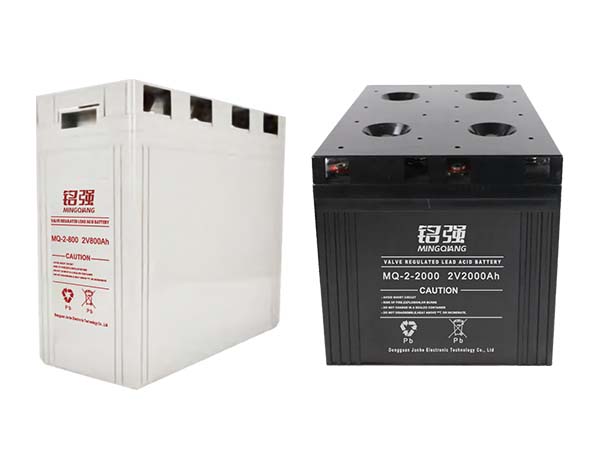
Advantages and Performance
Low Cost: Lead-acid batteries have mature manufacturing processes, and raw materials (lead, sulfuric acid, etc.) are easily accessible and relatively low in price, making their overall cost far lower than other types of batteries such as lithium-ion batteries and nickel-metal hydride batteries. This gives them significant advantages in cost-sensitive application scenarios.
Strong High-Current Discharge Capability: They can provide a large current instantaneously to meet the needs of devices requiring high starting currents. For example, lead-acid batteries perform excellently when a car starts and needs a strong current to drive the starter.
Good Environmental Adaptability:
Wide Temperature Adaptability: They can work normally within a certain temperature range (e.g., -40°C to 60°C). Although their performance will decline in extreme low or high temperatures, their adaptability is stronger compared to some batteries that have strict temperature requirements.
Tolerance to Overcharging and Overdischarging: In the case of occasional overcharging or overdischarging, lead-acid batteries suffer relatively low damage, showing a certain degree of fault tolerance.
Simple Maintenance: With a relatively simple structure, they are convenient for maintenance operations. For instance, during use, if the electrolyte level is found to be low, distilled water can be appropriately added for replenishment, without the need for complex maintenance equipment and technology.
High Safety: Compared with lithium-ion batteries, lead-acid batteries are less prone to safety accidents such as explosions and fires under normal use, especially in scenarios with high safety requirements, which can provide more peace of mind.
Application Fields
Transportation Sector:
Automotive Starter Batteries: Almost all fuel-powered vehicles use lead-acid batteries as starter batteries, providing power for the starter during vehicle starting, the ignition system, and on-board electrical appliances (such as audio systems, lights, etc.) when the vehicle is not started.
Low-Speed Electric Vehicles: In some low-speed electric bicycles, electric tricycles, elderly mobility scooters, and other transportation tools, lead-acid batteries are widely used due to their low cost, convenient maintenance, and other characteristics.
Other Transportation Means: The starting and lighting systems of some motorcycles, ships, railway locomotives, etc., also use lead-acid batteries.

Energy Storage Field:
Renewable Energy Storage: In renewable energy power generation systems such as solar and wind energy, lead-acid batteries can be used as energy storage devices to store unstable electrical energy and release it when needed, ensuring stable power supply to the grid.
Standby Power Supply: Used in communication base stations, hospitals, data centers, financial institutions, and other places as standby power supplies, providing power support to critical equipment during power outages to ensure their normal operation.

Industrial and Agricultural Fields:
Industrial Equipment: Industrial electric vehicles such as forklifts, golf carts, and electric transport vehicles typically use lead-acid batteries as power sources. Additionally, some industrial instruments, meters, and control devices may also use lead-acid batteries as power supplies.
Agricultural Equipment: In agricultural production, lead-acid batteries can be used for agricultural machinery such as electric sprayers and electric harvesters, as well as equipment for lighting and ventilation in farms.
Other Fields:
Emergency Lighting Equipment: Devices like fire emergency lights and flashlights rely on lead-acid batteries to provide lighting power during power outages or emergencies.
Toys and Models: Some large toy cars, model ships, and similar items may use lead-acid batteries to meet their power requirements.