









 Home
Home
Phone:
+86-132-6619-0666
Whatsapp:
+852-6542-3459
+852-5181-3462
E-mail:
junhedz@163.com

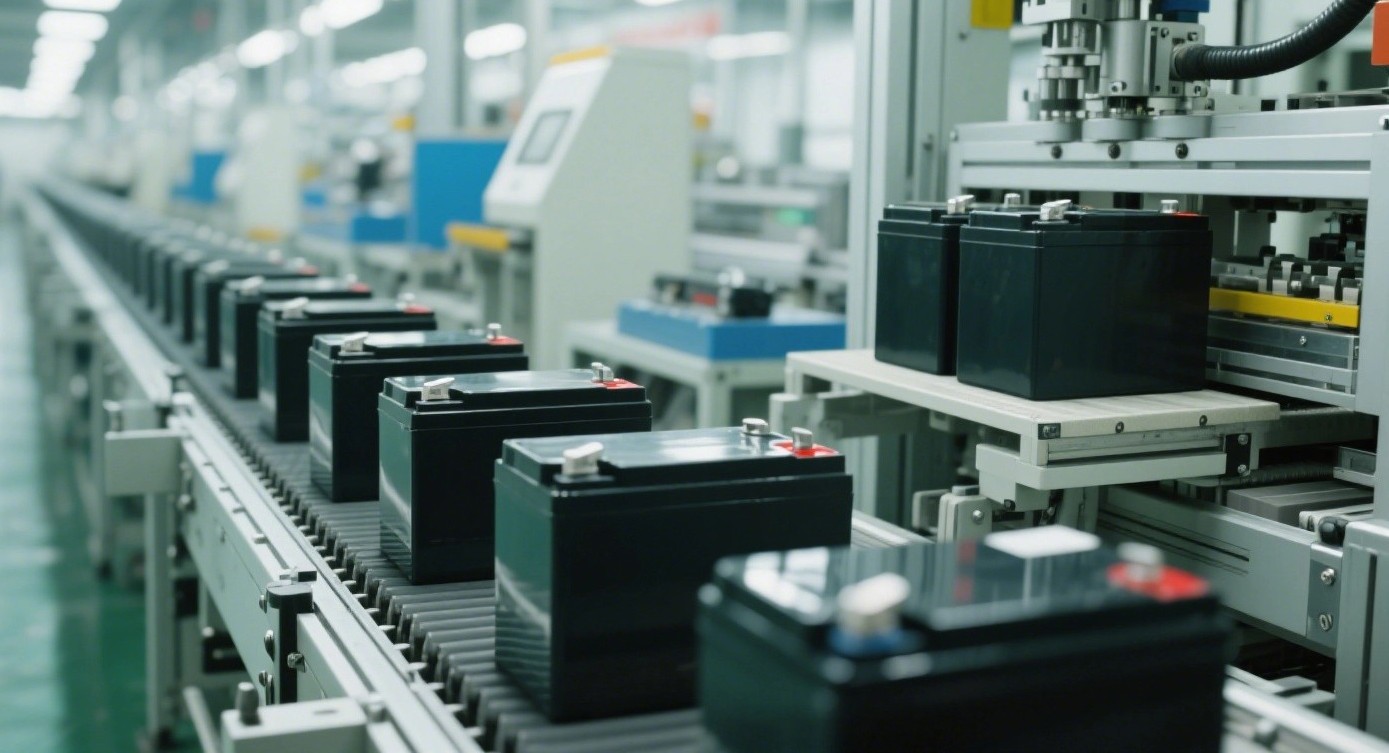
Lead-acid batteries, as a mature energy storage technology, can be classified into three major categories - small density, medium density and large density - based on the process and performance characteristics of the plates. The core differences among them lie in the manufacturing process of the plates, performance parameters and applicable scenarios.
The small-density battery (lean sealed battery) adopts thin plates and tight assembly technology. The thickness of the plates is usually 1.5-2.5mm, and the electrolyte exists in gel or adsorption form. This type of battery features a small size, light weight, and a low self-discharge rate (≤3% per month), with a cycle life of approximately 300 to 500 times. It is suitable for low-rate shallow cycle scenarios. Typical applications include electric bicycles, emergency lighting systems and small UPS units. For instance, a 48V12Ah electric bicycle battery pack falls into this category. Its sealed structure can prevent electrolyte leakage and meet the daily short-distance commuting needs.
The thickness of the plates of medium-density lead-acid batteries (medium-capacity sealed batteries) has been increased to 2.5-4mm, and a semi-solidified electrolyte process is adopted to balance energy density and cycle performance. Its rated capacity is usually 20-100Ah. The 20-hour rate discharge capacity is 30% higher than that of small-density batteries, and the cycle life can reach 600-800 times. Medium-density batteries are widely used in low-speed electric vehicles, electric tricycles and backup power sources for communication base stations. For instance, the 6-EVF-50 model battery is often used as the power source for electric sightseeing vehicles. While maintaining the advantage of sealing, it can provide a continuous medium current discharge for 1-2 hours.
The Dami lead-acid batteries (flooded open battery) uses thick plates (4-8mm) and liquid electrolyte. The plate alloy is mainly lead-antimony, which has an extremely strong high-current discharge capacity. This type of battery has a capacity of 100-1000Ah, a deep cycle life of over 1,000 times, and requires regular water replenishment and maintenance. It is mainly used in the field of fixed energy storage, such as solar photovoltaic energy storage systems, diesel generator starting power supplies and forklift power systems. Typical products include the GFM series 2V2000Ah battery, which can operate stably in an environment ranging from -15℃ to 45℃, meeting the high-power discharge requirements of industrial grade.
The three complement each other in application: small-density batteries dominate personal light transportation, medium-density batteries serve short-distance vehicles and backup power sources, and large-density batteries support industrial-grade energy storage and power systems, jointly forming a complete application ecosystem for lead-acid batteries.
Mingqiang New Energy Battery Source Factory specializes in the production and supply of lead-acid batteries, lithium batteries, electric vehicle power batteries, motorcycle batteries, automotive batteries, solar gel energy storage batteries, household energy storage systems, and other series of battery products. Provide customized services such as OEM/ODM. The battery products have successively obtained certifications such as UL/IEC/CB/CE/UN38.3/MSDS/ROHS, and shipping certificates, and have obtained 10 practical patent certificates and 2 invention patent certificates, ensuring quality assurance.
If you would like to learn more about Mingqiang batteries, please feel free to call +86-132-6619-0666.
PREV:Voltage Classification and Application Analysis of Lead-Acid Batteries
NEXT:Safety regulations for packaging and transportation of lead-acid batteries